Introducing Wrike’s intelligent work management platform, integrated seamlessly into Klaxoon. Learn more

Manufacturing: How to align your operations from design to delivery

Published on Apr 7, 2026
Executive summary:

  • Silos cause delays, exponential cost overruns, and a loss of overall efficiency for teams throughout the production chain.
  • To address this, you must first visualize the “gray areas” between stages in order to clearly identify the points of failure. Many visual methods can help you: mapping, SIPOC, 5W1H, the 5 Whys…
  • Three levers enable better coordination of design and production: cross-team design reviews, short but regular synchronization rituals, and a living documentation system that centralizes discussions and decisions in real time.
  • Adopting quality as a guiding principle rather than a final step significantly reduces the cost of poor quality. Similarly, having a shared logistics vision prevents issues from arising at the end of the chain.
  • Implementation should be gradual: start with a pilot scope, establish a few rituals and visual spaces, measure the results, then scale up the approach, using a collaborative platform like Klaxoon to structure and embed your new collaborative practices.

According to a report by Autodesk and the consulting firm FMI, project teams spend an average of 35% of their time on unproductive activities. Examples include searching for information, revisiting topics that have already been addressed, clarifying points again, and aligning stakeholders.

This finding prompts questions, considering the substantial investments made in recent years in integrated tools and information systems (PLM, ERP, MES).

Why is there such a paradox? Industrial teams are becoming more mature and aware of these challenges. They strive to document their processes and daily communications more effectively. Yet, in practice, design, production, quality, and logistics often continue to operate in silos. Information certainly flows, and decisions are made, but delays and limited visibility directly impact project timelines, costs, and quality.

This guide provides a concrete, methodological framework to help you overcome obstacles and align your entire operational chain on a daily basis. Thanks to immediately applicable collaborative practices supported by visual tools like the Klaxoon platform, you can say goodbye to system gaps.

The true cost of silos in the manufacturing industry

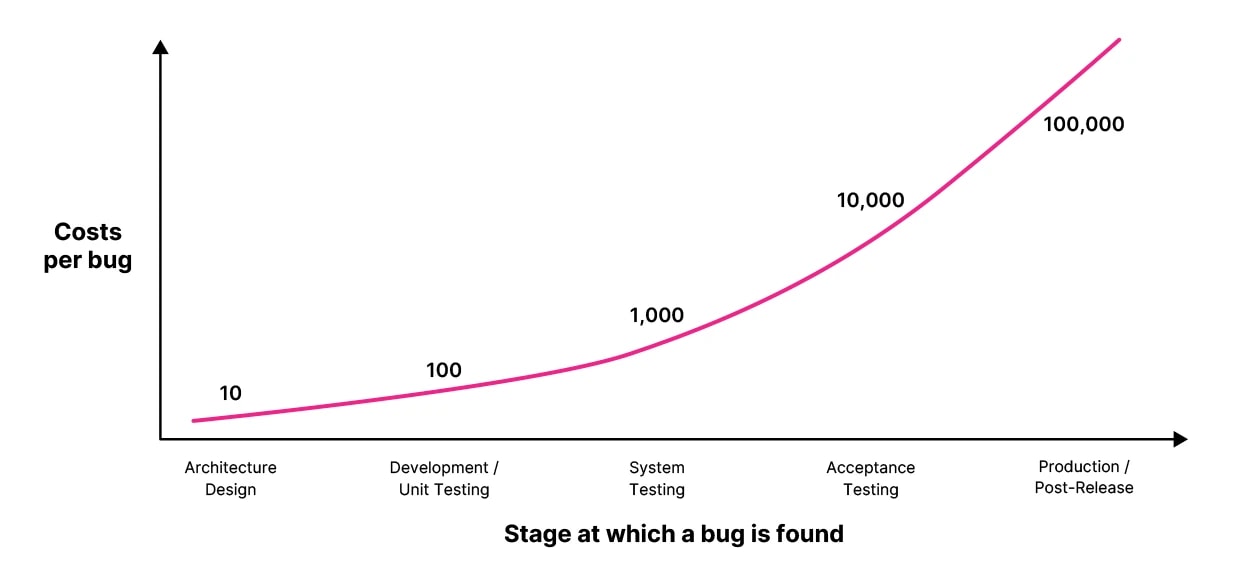
Several engineering and quality studies highlight the “Rule of Ten”: a defect or change detected during the design phase costs, on average, ten times less to correct than if discovered during production, and up to a hundred times less than if detected after delivery to the customer.

An explanatory diagram of the Rule of 10 in industry. | KlaxoonAn explanatory diagram of the Rule of 10 in industry. | Klaxoon

The ratio is striking. With each stage of the product lifecycle, the cost of resolving issues increases exponentially.
Behind these costs, there is often insufficient coordination among the teams involved throughout the production chain, as well as a difficulty in seeing beyond their own scope. Let’s look at a few examples:

  • A design change that is approved by the engineering department, but doesn’t reach the shop floor until after a batch has been launched.
  • Recurring non-conformities at an assembly station, flagged by quality but never escalated to R&D.
  • Shipping delays due to poor communication between production planning and logistics, etc.

When faced with these situations, the standard solution is to schedule a meeting, send a follow-up email, or add a column to a shared spreadsheet. However, these responses treat the symptoms without addressing the root cause. The problem isn’t that teams lack tools. Rather, their collaboration methods (routines and information systems) haven’t evolved at the same pace as the complexity of their operations. This contributes to amplifying the industry’s tool overload.

To identify breaking points, visualize your value chain

Before you can take concrete action, you need a comprehensive view of the problem's scope. To do this, most industrial organizations implement detailed maps and processes that comply with ISO requirements. However, in most cases, these documents describe what should ideally happen, and rarely what is actually observed between two phases of the product lifecycle.

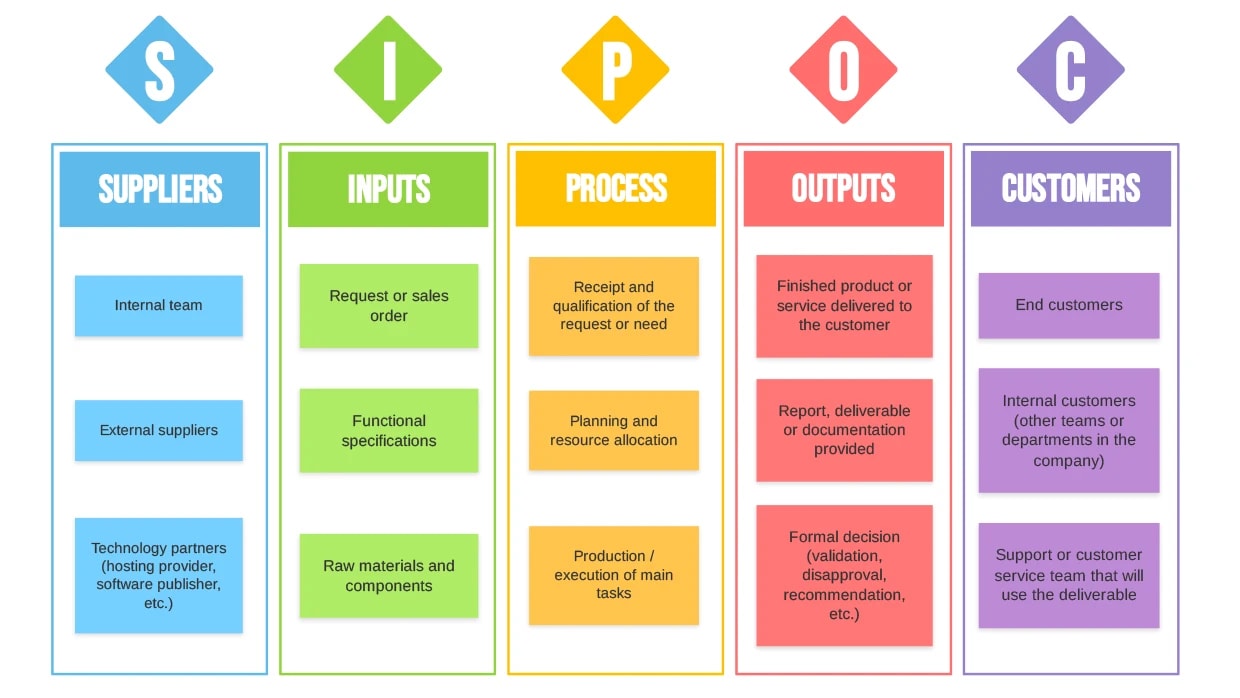
A typical industrial cycle consists of five major stages: launch, growth, shakeout, maturity, and decline. To analyze and improve the processes at each stage, a SIPOC diagram can visually represent your information flows.

Industry SIPOC diagram showing suppliers, inputs, process steps, outputs and customers.Industry SIPOC diagram showing suppliers, inputs, process steps, outputs and customers.

The above example shows how the SIPOC diagram can be used on a whiteboard.
To ensure the smoothest possible transitions between the different stages, ask yourselves these four questions as a group:

  1. Who passes the information on to the next stage?
  2. In what format is this information passed on?
  3. How long does it usually take from the time a decision is made until it is communicated?
  4. Who confirms that the information has been received and understood?

In practice, these simple questions should help you identify gray areas that no one has yet formalized. This can also take the form of a collaborative workshop, conducted on an online whiteboard with stakeholders from each phase. For example, you can use a method like 5W1H or the 5 Whys to ask the right questions and identify gaps and their root causes in less than two hours.

3 proven ways to better synchronize design and production

1. Structured cross-team design reviews

A design review is a classic engineering ritual. However, in many organizations, it remains an internal exercise confined to the design office. Operational teams are consulted only at a late stage.

Structuring these reviews differently can truly be a game changer. To maintain stakeholder engagement, we advise varying meeting activities to solicit everyone’s input in an interactive manner. According to a McKinsey study, fewer than 70% of supply chain leaders believe their organizations are sufficiently mature in cross-functional collaboration, whereas 100% should be.

Therefore, you must adopt this approach from the very beginning. Systematically invite a production representative, a quality representative, and a supply chain manager from the earliest design iterations to identify manufacturing constraints before they lead to costly changes.

2. Short team alignment rituals

With a Lean approach, you can provide your teams with brief check-in sessions that won't distract them from their operational priorities. Determine the ideal format to meet your cross-team alignment needs using methods such as QRQC or Short Interval Control (SIC).

For example, you can hold a 20-minute meeting twice a week. To avoid wasting time and get straight to the point, use a structured agenda template. Also, use a visual tool like a Klaxoon Board to centralize your information in real time and replace the traditional round-table discussion with activity tracking through visual management.

3. A living record of decision-making

Most industrial organizations are required by regulation to ensure information traceability. This is not up for debate. However, there is a fundamental difference between a document archived in a document management system and a shared space that teams consult and update daily.

Setting up a living documentation system means creating and maintaining a collaborative space to define processes for your team and centralize decision-making. Unlike traditional meeting minutes written after the fact, this space must be updated during discussions, while remaining accessible at all times for asynchronous updates.

With this in mind, Klaxoon integrates with the Wrike work management platform, which offers features tailored to industrial workflows. Together, our solutions let you keep all your discussions in a single space adapted to your needs, enabling you to efficiently transition from ideation to execution in project mode.

Make quality a central focus of your collaboration

In many industrial organizations, the complexity of processes can impact quality. This gap between the ideal vision and the reality of execution has a cascading effect on the customer experience and adjustment costs.

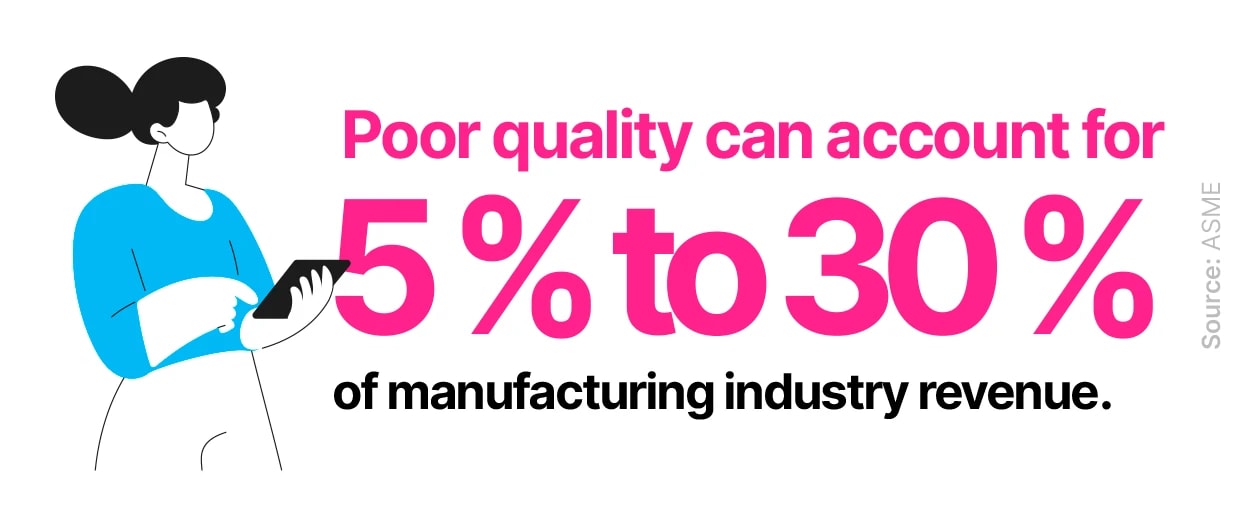
According to the American Society of Mechanical Engineers (ASME), poor quality can account for 5% to 30% of manufacturing industry revenue when scrap, rework, customer returns, and claims are added up.

Poor quality can account for 5% to 30% of manufacturing industry revenue. Source: ASME | KlaxoonPoor quality can account for 5% to 30% of manufacturing industry revenue. Source: ASME | Klaxoon

Many of these costs stem from ineffective feedback loops between the shop floor and other departments. A dedicated space for quality feedback via Klaxoon can solve this problem simply and put quality back at the heart of your cross-functional collaboration by reducing response times to just a few hours.

For example, a collaboration platform is an ideal tool for using the QRQC method. It minimizes information loss associated with oral communication alone and gives everyone the opportunity to share ideas based on direct feedback from the shop floor.

Secure logistics and eliminate incidents upstream

The logistics phase is prone to incidents whose root causes rarely lie within logistics itself. Shipping delays, preparation errors, and incomplete or non-compliant deliveries most often stem from a breakdown in communication between the production, quality, and logistics departments:

  • Completed but unreported work orders
  • Pending quality checks
  • Missing documents
  • Priorities changed without a shared update, etc.

In an industrial environment, the quality and speed of communication both facilitate effective logistics execution. According to the MHI Annual Industry Report, conducted with Deloitte, 25% of industrial companies have implemented tools to facilitate collaboration within their supply chain in 2025.

These tools can take various forms and don’t need to be complex to be effective. For instance, a simple tracking whiteboard shared between the production, quality, and logistics teams can transform the dynamic. You can also establish color codes that make every stage of the work order visible to everyone:

  • Order completed
  • Quality checklist validated
  • Logistics documents generated
  • Shipping confirmation, etc.

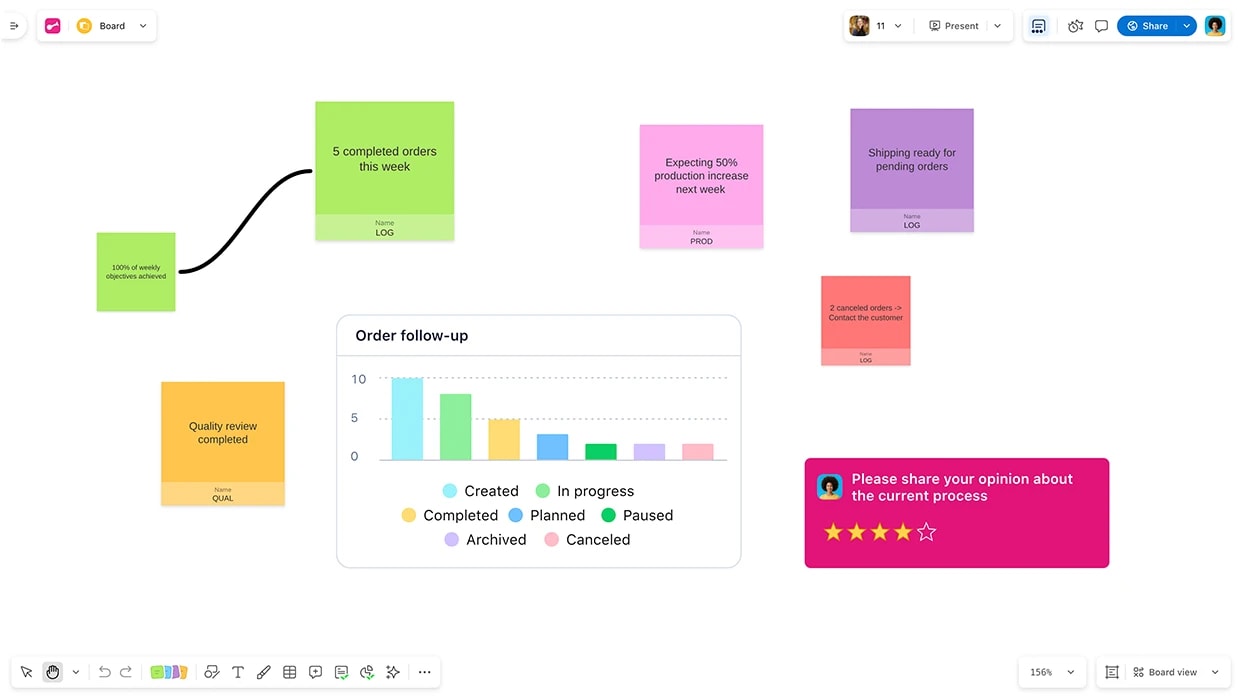
With Klaxoon, you can take it a step further by integrating Wrike tracking data directly into your Boards as widgets. This feature provides a real-time view of work order status and enables you to anticipate bottlenecks more quickly.

Klaxoon board displaying work order template with task cards organized in status columns.Klaxoon board displaying work order template with task cards organized in status columns.

The above example shows a shared visual workspace used by three teams based on real-time operational data.
5 steps to get started easily

The most common mistake is attempting to implement a new collaboration method site-wide all at once. We recommend that you start small and carry out your project planning in five simple steps:

1. Assess your current workflows: Identify the pain points in your cross-functional collaboration. One effective way to encourage open discussion among teams is to organize a retrospective with all stakeholders.

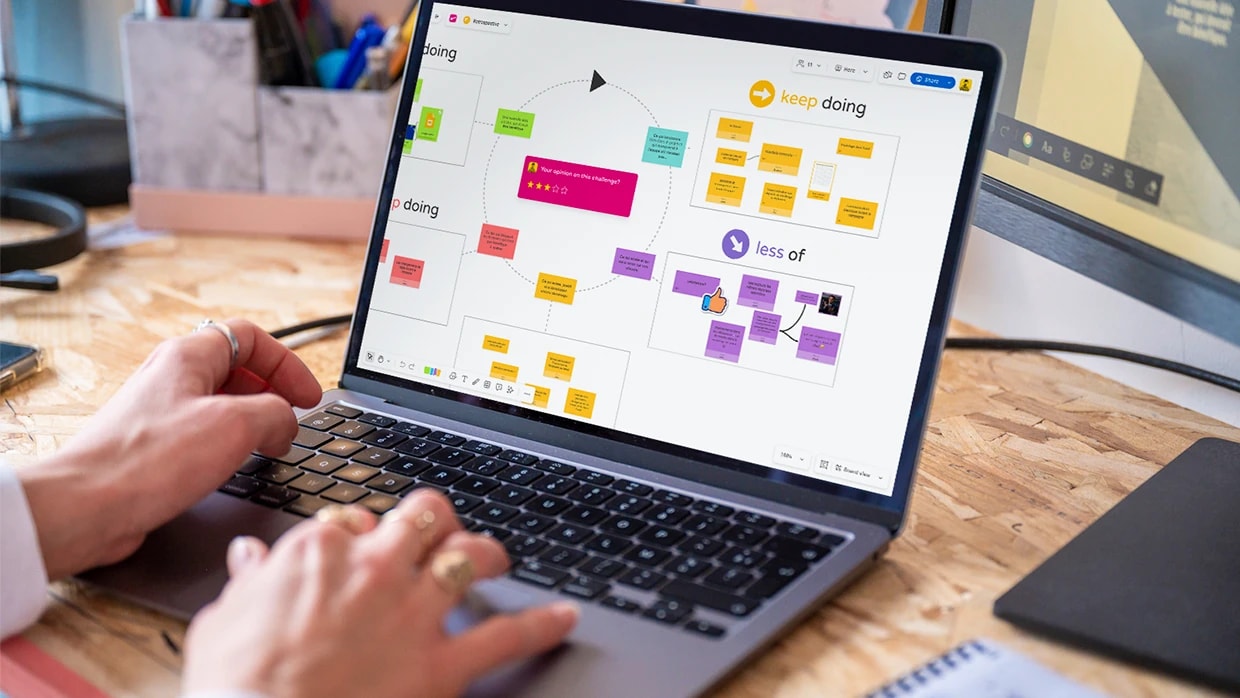
A person working on a computer displaying a team retrospective template on a Board. | KlaxoonA person working on a computer displaying a team retrospective template on a Board. | Klaxoon

During a retrospective, teams discuss which actions to continue or stop taking in order to improve their future performance.

2. Implement cross-team rituals: Following an internal needs assessment, set up a quick but regular cross-team sync. Each session should not exceed 30 minutes.

3. Centralize your activities in a shared visual workspace: Create a collaborative space dedicated to the pilot scope using a Klaxoon Board.

4. Track your activities in real time: Set up tracking dashboards in Wrike and filter them by status and delivery date to quickly identify and escalate priority items.

5. Measure and adjust: After 12 weeks, organize a new retrospective to analyze the results and gather feedback from the teams. Identify areas for improvement, then gradually expand the initiative across the organization as it gains traction.

Conclusion

As we’ve seen, there are simple, collaborative solutions that can break down silos in the manufacturing industry. However, the most successful companies are those that no longer view collaboration as common sense. They treat collaboration as a distinct priority with clear rituals, shared visual aids, and concrete metrics tracked over time.

The effects are quick to notice: fewer reworks in production, met delivery deadlines, and a declining cost of poor quality. Most importantly, teams can focus on creating value instead of searching for information or the right contacts.

Klaxoon provides a visual collaboration platform that enables this synchronisation from the operator’s workstation to the executive committee. Using industry-standard methods, Klaxoon helps you easily conduct a diagnostic assessment involving all teams, thereby transforming a site’s long-term operations.

It's now up to you to transform collaboration into a genuine competitive advantage for your organization!

FAQ

Unlock your teamwork potential

For free, make your first steps to top-tier work efficiency with the Klaxoon Visual Platform.